
Intermittent Fasting + Nigerian Foods: What to Eat During Your Feast Days
Recently, I noticed something interesting after checking my weight. Even though I’d been less physically active and still eating the large portions I was used to during more active days, I wasn’t gaining weight—in fact, I was hovering between maintaining and slightly losing.
It wasn’t until I took a closer look at my routine that it clicked: I had been unintentionally practising intermittent fasting. With work keeping me busy, I often had my first meal between 12 and 1 PM and my last around 8 PM, fitting right into the popular 16:8 fasting pattern without realising it.
That experience gave me a new appreciation for why intermittent fasting has become so popular. It offers structure without being rigid, and it’s flexible enough to fit into real life—even a busy one.
And the best part? You don’t have to give up your favourite Nigerian foods to make it work. Let’s explore how to enjoy the meals you love while making intermittent fasting work for your goals and lifestyle.
In this post, we’ll break down what to eat during your eating window, how to make Nigerian meals work with intermittent fasting, and simple tips to help you stay nourished and satisfied.
What is Intermittent Fasting?
Intermittent fasting is an eating pattern that switches between periods of fasting and feasting. It focuses on when you eat. One of the most common methods is the 16:8 approach: you fast for 16 hours and eat within an 8-hour window. For example, you might eat between 12pm and 8pm and fast from 8pm to 12pm the next day. Others are 5:2 and alternate-day fasting.
If you're not familiar with how intermittent fasting works, this post explains the basics and the dos and don’ts to keep in mind before trying it out.
While IF can help with fat loss by causing a calorie deficit, blood sugar balance, and digestion, what you eat during your feasting window matters just as much as when you eat, especially if you want sustainable results.
Nutrition Tips to Keep in Mind
Hydrate Properly During Fasting: Drink water regularly during your fasting hours to prevent dehydration.
To break your fast, start with hydration : start with something light and hydrating to replenish lost fluids and electrolytes. E.g., water, bone broth, pepper soup, coconut water, etc.
Go for easily digestible, low-fibre foods, then gradually reintroduce fibre in later meals. Your gut’s motility (movement of food) slows during fasting. Suddenly introducing fibre can cause bloating, especially for people with sensitive stomachs.
Prioritise protein: Protein keeps you fuller for longer and supports muscle during fasting. Aim to include protein in every meal. For IF methods that allow low intake during fasts, make sure you take in about 50g of protein to manage hunger.
Include healthy fats like nuts, avocados, olive oil, and palm oil, but do so in moderation.
Watch portions, even with healthy foods. Don't go overeating; it could counter your progress. Use a standard food scale to measure out your food.
Plan your meals in advance; avoid breaking your fast with the first thing you see. Prep meals ahead of time.
Sample One-Day Intermittent Fasting Meal Plan (16:8 method)
Fast window: from 8pm to 12pm following day (16 hrs)
Eating window : 12pm to 8 pm (8 hrs)
15000 kcal meal plan
12pm – Break Fast
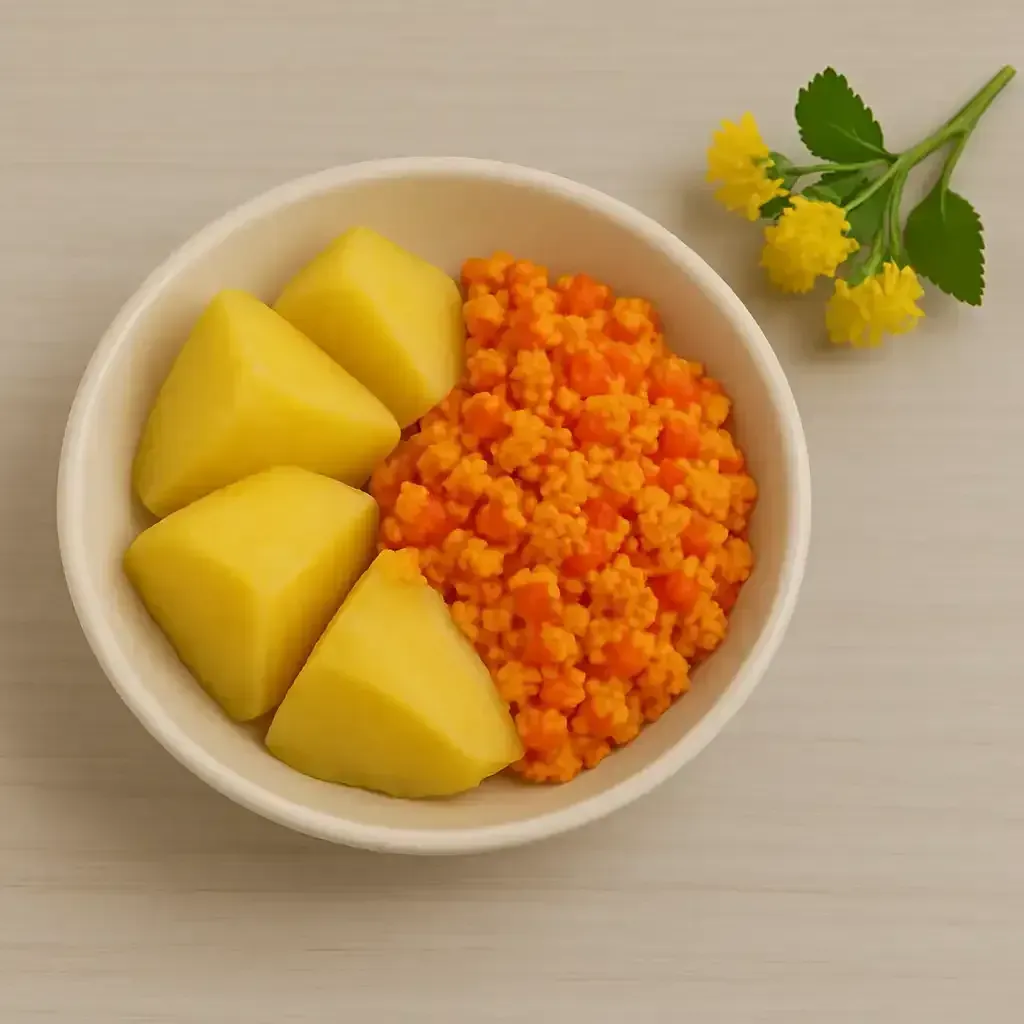
Boiled sweet potatoes – 245g
fried eggs – 2 eggs
3pm – Lunch

Eba-350g
Okra soup
Beef – 2 pcs
5pm - Snack

Yoghurt (Sweetened)—1 cup (240ml )
7-7:30pm – Dinner

Boiled Rice – 170g
Boiled Beans – 150 g
Vegetable stew (efo-riro)
Fish—1 piece
Want a personalised intermittent fasting meal plan with your favourite Nigerian meals?
👉 Book a nutrition consultation today, and let’s create a plan that works for your goals and lifestyle.
If you found this helpful, do share this post with friends and family, and join the NourishWell Health community on FB, IG, X, and TikTok.

Adaeze Oparaku, RDN
Dietitian Adaeze comes with years of experience helping individuals achieve sustainable health through personalized nutrition. She blends science and practicality to make wellness simple, effective, and realistic.
Explore more posts
Explore More Posts
« Swipe for more posts »

Nourishwell Health Insights, Expert Nutrition Guidance, Updates, Tools, and Valuable Resources.


